Bought in Egg Harbor Township Around 2016? You May Have $280K+ in Equity
Egg Harbor Township Home Values · Seller Insight · November 24, 2026
Bought in Egg Harbor Township Around 2016? You May Have $280K+ in Equity
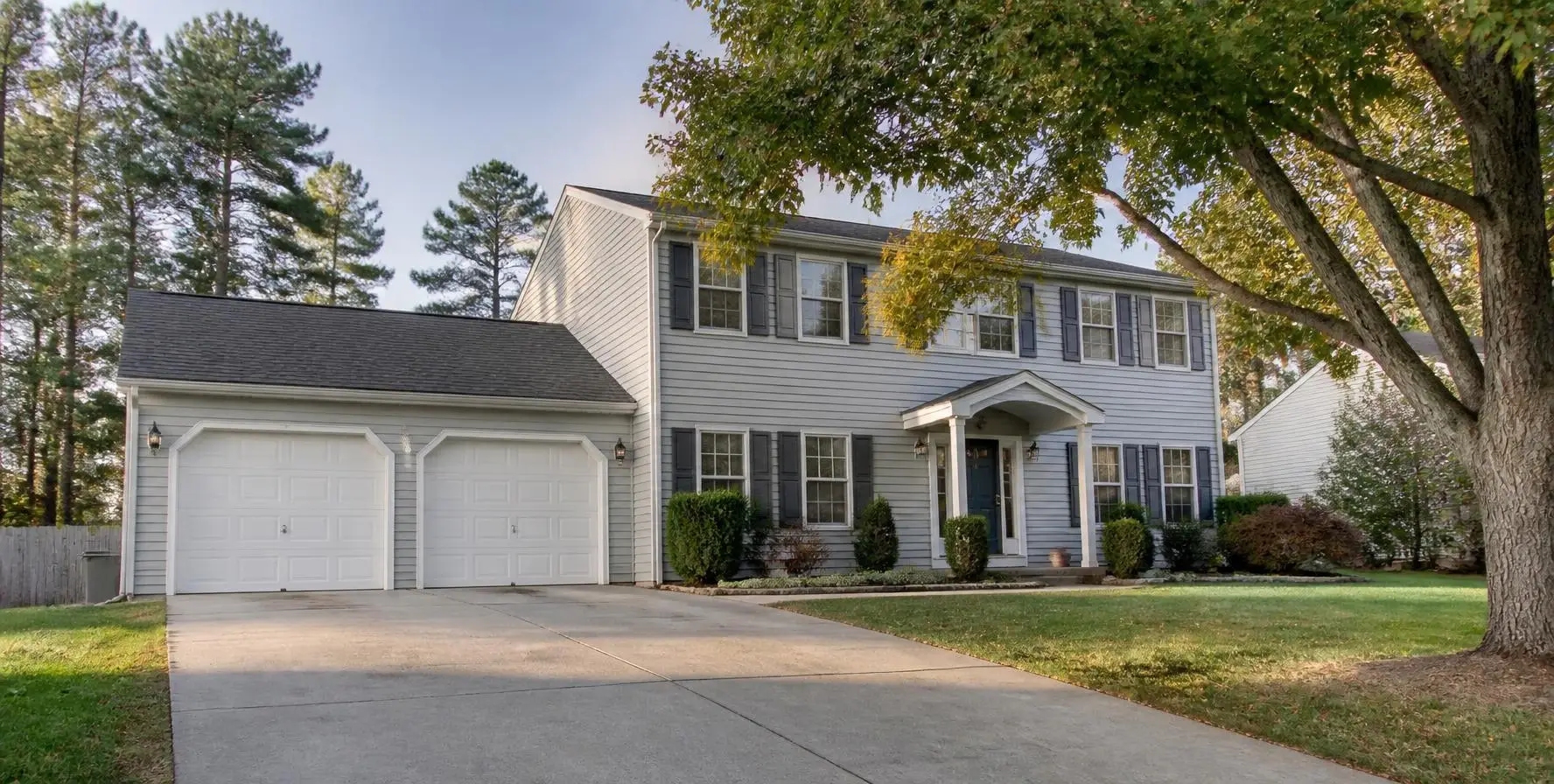
In 2016 I helped a family buy a 4-bedroom Egg Harbor Township home for $185,000 with an FHA first-time buyer loan. Today, similar homes nearby are selling for about $450,000. Here's what that means for their equity, what a move would really cost at today's rates, and how to find out what your own home is worth.
How one Egg Harbor Township home went from $185,000 to $450,000

The home is a two-story, 4-bedroom, 3-bath colonial with about 1,900 square feet, built in 1999. The buyers put down 3.5% (about $6,500) and have a mortgage rate between 2% and 3%. Two comparable homes within half a mile, 4 and 3 bedrooms with about 2,000 square feet, recently sold for $450,000 and $451,000.
$185,000
Purchase price, 2016
~$450,500
Value today, based on recent nearby sales
~$284,000
Estimated cash after selling and paying off the loan
~$6,500
What they put down in 2016
That's about $134,600 left on the loan after ten years of payments, and roughly 7% for commission, transfer fees and closing costs. Price per square foot went from about $97 at purchase to about $223 for the recent sales. Many Egg Harbor Township owners who bought between 2012 and 2019 are in a similar spot and don't realize it.
Sources: South Jersey Shore Regional MLS and CoreLogic comparable sales report, November 24, 2026. Equity is an estimate; your numbers depend on your loan balance, sale price and closing costs.
The catch: what a move costs at today's rates
Their current payment, including taxes and insurance, is about $1,476 a month. Rates have climbed since they bought: Freddie Mac's November 19, 2026 survey put the 30-year fixed at 7.28%. Here's what moving to a $525,000 new-construction home would look like if they put all their equity down:
• At 7.28% (today's average): about $2,514 a month, roughly $1,040 more than now.
• At a 5% builder rate: about $2,160 a month, roughly $685 more than now.
• To keep the same payment: they'd need about $412,000 to $436,000 down, well more than their equity.
So a low-rate homeowner shouldn't move just for a newer house. But that equity is real money, and it opens up options many owners never look at.
Estimates assume a 30-year loan, Egg Harbor Township taxes of about 1.64% of value, and typical insurance. Builder rates may be temporary buydowns or tied to the builder's lender, so ask how long the rate lasts.
What the equity in your Egg Harbor Township home can do for you
Every owner's situation is different. The right move depends on why you'd move, not just the payment:
• Move up for space or schools. If your family has outgrown the house, putting $250K+ down makes a bigger home much more affordable than buying from scratch.
• Downsize or go one-floor. A smaller or lower-priced home could mean a similar payment, or no mortgage at all.
• Skip big repairs. A 25-year-old home may need a roof, HVAC or windows soon. New construction comes with builder warranties.
• Stay and keep your low rate. A home equity line of credit lets you tap the equity for renovations or investments without giving up your 2–3% mortgage.
Frequently asked questions
How much have Egg Harbor Township home values gone up since 2016?
For the home in this example, the value went from $185,000 in 2016 to about $450,000 based on two recent nearby sales, an increase of about 140%. Your home's change depends on its size, condition and neighborhood.
How do I figure out how much equity I have?
Take your home's likely sale price, subtract your loan balance, then subtract about 6–8% for commission, transfer fees and closing costs. A free home value report gives you the sale-price side using real recent sales near you.
Does it make sense to sell if I have a 2–3% mortgage?
Only if the move fits your life. At today's rates your payment will likely go up, even with a big down payment. It can still make sense if you need more space, want to downsize, face expensive repairs, or need to relocate.
Are builder rates around 5% worth it?
They can save hundreds a month compared with 7.28%, but check whether the rate is fixed for 30 years or a temporary buydown, and whether the builder raised the price to pay for it.
Own a home in Egg Harbor Township, Absecon or Galloway?
I'll pull the recent sales near you, estimate your equity, and run the numbers on staying, moving up or downsizing. No pressure, just straight answers.
Jacob Ely · Coldwell Banker Argus Real Estate · 7227 Ventnor Avenue, Ventnor, NJ 08406 · (609) 517-3364 · jacob.ely@jakerealestateacnj.com · NJ Real Estate License #0570436